Why High-Quality Cannabis Oil Matters for Your Experience
When I first started exploring cannabis concentrates, I thought all oils were pretty much the same. Heat some material, press out the resin, call it a day. It took a few disappointing batches of harsh, muddy extracts before I realized how wrong I was. The difference between a run-of-the-mill product and a truly high-quality cannabis oil is night and day, and it goes far beyond just potency. It affects the flavor, the smoothness of your session, and even how predictable the effects feel.
Over the years I have tested dozens of oils from various sources, and I have learned to look for specific signs that separate the good from the great. Whether you are dabbing with a rig, using a vape pen, or mixing into edibles, the quality of the oil determines the entire experience. Let me walk you through what I have found matters most, from sourcing and extraction methods to lab results and strain selection.
What Defines High-Quality Cannabis Oil?
At its simplest, cannabis oil is a concentrated extract of the plant's active compounds. But the method of extraction and the starting material make all the difference. A high-quality cannabis oil should preserve the full spectrum of cannabinoids and terpenes found in the original plant. That means you get not just THC and CBD, but also the minor cannabinoids and aromatic compounds that shape the entourage effect.
Many cheap oils are made using harsh solvents like butane or ethanol, which can leave behind residues and strip away delicate terpenes. The best oils I have tried use solventless methods such as CO2 extraction or mechanical separation. CO2 extraction uses pressurized carbon dioxide to gently pull out the desirable compounds without heat damage. Solventless techniques, like rosin pressing, avoid any chemical contact at all. Both approaches produce a cleaner, more flavorful concentrate that stays true to the strain's profile.
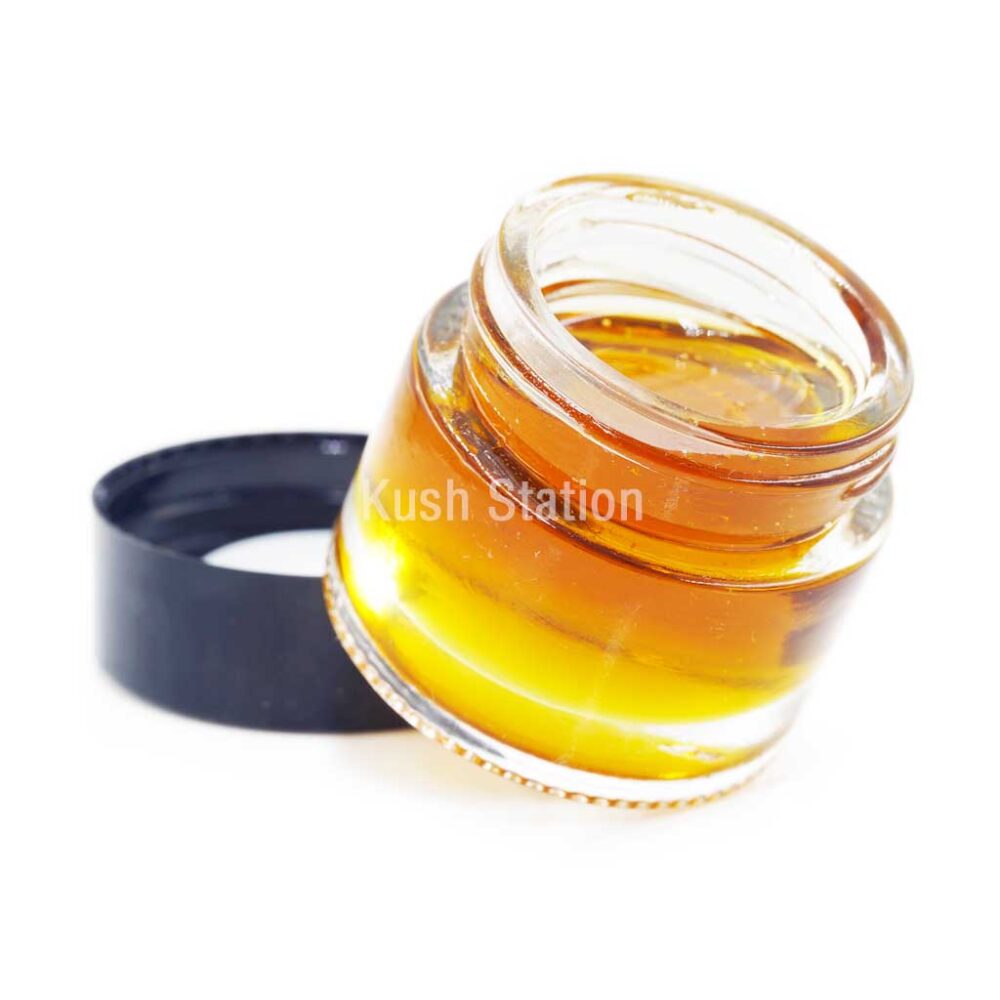
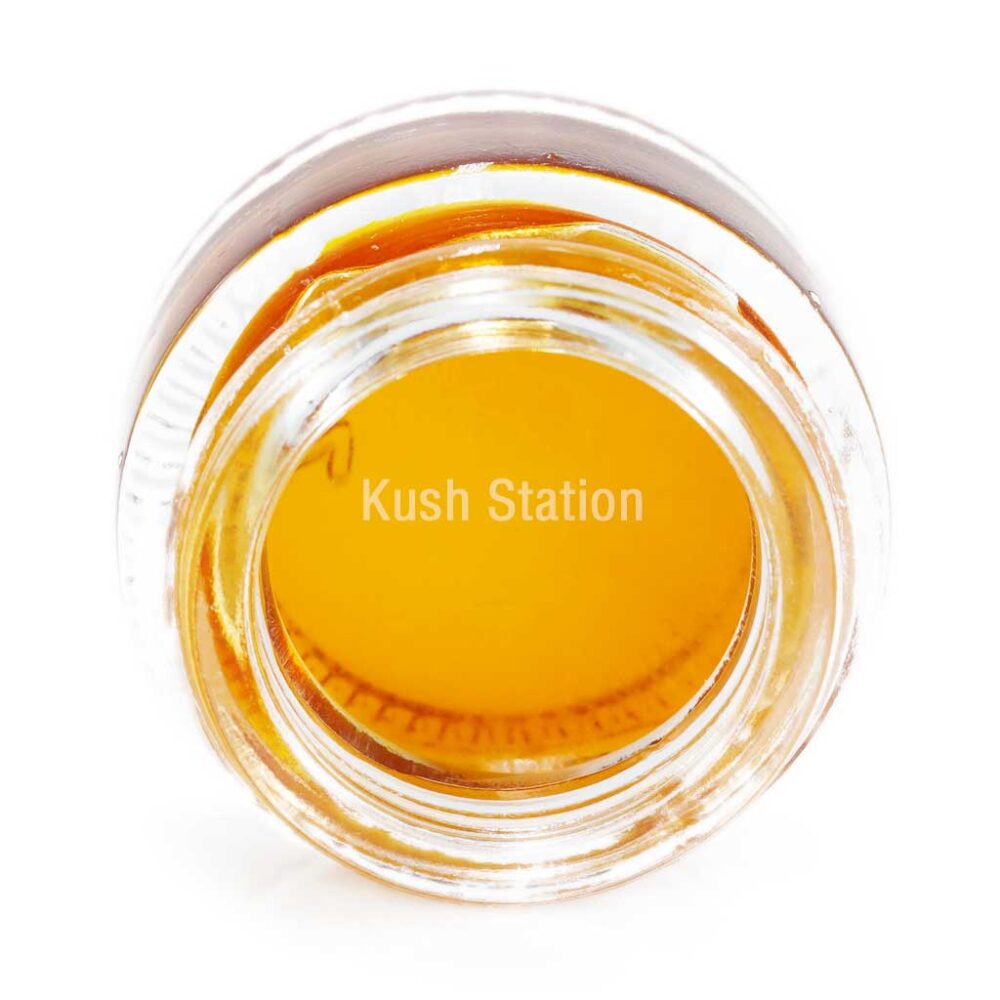
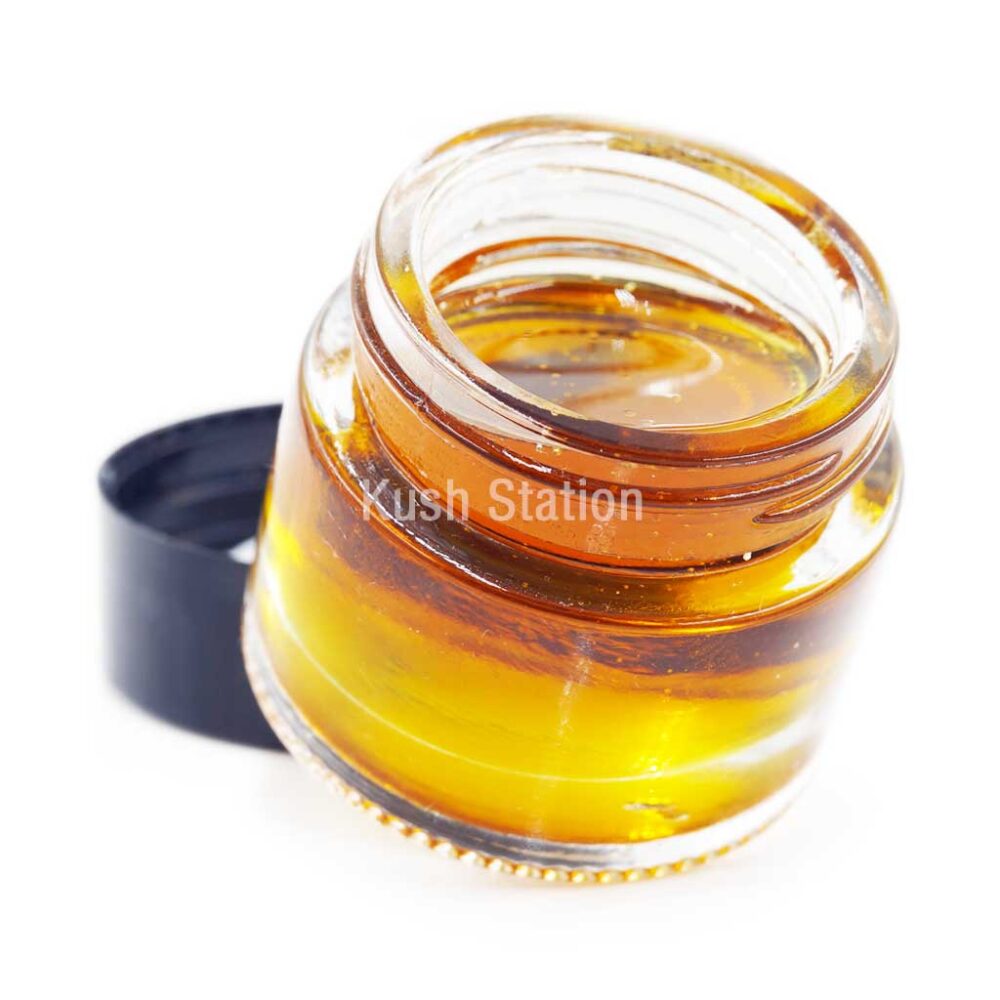
Another marker of quality is the color and consistency. A good oil should be translucent and range from pale gold to deep amber depending on the starting material. Cloudiness, dark sediment, or a burnt smell are red flags. If the oil is too runny or too thick at room temperature, it may have been cut with carrier oils or improperly stored. A high-quality cannabis oil will feel smooth on the dab tool and melt evenly on your nail or coil.
The Role of Third-Party Testing and Batch Analysis
One of the biggest shifts in the concentrate market has been the move toward transparency. Reputable brands now provide a certificate of analysis from an independent lab for every batch. This is not just a marketing gimmick. A proper batch analysis tells you the exact percentages of THC, CBD, and other major cannabinoids. It also confirms that the product is free from pesticides, heavy metals, and residual solvents.
I have learned to check the date on those lab reports. Fresh oil degrades over time, so a recent analysis gives you confidence that the potency and flavor are still intact. Some sellers, like Kush Station, make a point of offering lab-tested honey oil and cannabis concentrates with clear reports. When you see that information upfront, it shows the producer stands behind the product. Without third-party testing, you are essentially buying blind.
Third-party testing also helps you dial in your dosage. If you know a particular oil tests at 85% THC, you can adjust your dab size accordingly. If the CBD content is higher, you might choose a different strain for daytime use. A high-quality cannabis oil gives you that control. Cheap oils often have inconsistent potency from batch to batch, making it hard to predict how strong the effects will be.
Strain Matters: Indica, Sativa, and Hybrid Oils
Just like dried flower, cannabis oil can be made from different chemovars, each with its own cannabinoid and terpene profile. Indica-dominant oils tend to produce a heavier, more sedating body high. Sativa oils are more uplifting and cerebral. Hybrids split the difference, offering a balanced experience. The best oils I have tried are made from single-source, well-cured flower, so the strain's character shines through.
For example, a live resin made from a fresh Sativa plant will burst with citrus and pine notes, and the effects will hit quickly with a clear-headed buzz. An Indica oil from a landrace strain might taste earthy and fuel-like, and the relaxation will settle in slowly. If you are someone who uses cannabis for specific symptoms, choosing the right strain becomes even more important. A high-quality cannabis oil preserves those nuanced differences, whereas a poorly made oil can taste generic and hit the same regardless of strain.
I have also found that full-spectrum oils, which retain a broader range of cannabinoids and terpenes, tend to produce a more rounded effect. This is the entourage effect in action. The minor compounds work together to modulate the impact of THC, reducing anxiety or enhancing pain relief. Full-spectrum extraction is harder to do well, but when it is done right, the result is a more satisfying and therapeutic product.
Practical Tips for Selecting and Using Cannabis Oil
Over the years I have developed a few simple guidelines that help me pick the right oil every time. These are not hard rules, but they have saved me from wasting money on subpar products.
- Check the extraction method. Solventless or CO2 extraction usually yields a cleaner oil. Avoid anything that lists butane or hexane as a solvent.
- Look for a recent batch analysis from an independent lab. The report should show cannabinoid percentages and contaminant screens.
- Consider the strain and its intended effect. Indica for sleep, Sativa for focus, Hybrid for social settings.
- Store your oil in a cool, dark place. Heat and light degrade terpenes and cannabinoids over time.
- Start with a small dab and wait a few minutes before taking another. High-potency oils can catch you off guard if you are not careful.
How to Use Cannabis Oil: Dab Rigs and Vape Pens
There are two main ways to consume cannabis oil, and each affects the flavor and intensity. A dab rig uses a heated nail or banger to vaporize the oil instantly. This method gives you full control over temperature. Lower temperatures, around 315 to 450 degrees Fahrenheit, preserve more terpenes and produce smoother hits. Higher temperatures create thicker vapor but can burn off delicate compounds and taste harsh. I prefer a low-temp dab for most oils, especially live resin, because the flavor is so much richer.
Vape pens are more portable and discreet. They use a coil or ceramic atomizer to heat the oil. Not all pens work well with all consistencies. Thicker oils may clog the coil, while runnier oils can leak. If you are new to concentrates, a versatile vape pen with adjustable voltage helps you find the sweet spot. Some pens are designed specifically for honey oil and other semi-liquid concentrates, so check compatibility before buying.
Whichever method you choose, cleanliness matters. Residue buildup from previous dabs can taint the flavor of your new oil. I clean my dab rig after every few sessions with isopropyl alcohol and a cotton swab. For vape pens, I replace the coil when the taste starts to degrade. A high-quality cannabis oil deserves a clean delivery system.
The Bottom Line on Quality
Not all cannabis oil is created equal. The difference between a mediocre product and a truly high-quality cannabis oil lies in the details: how the plant was grown, how the oil was extracted, and whether the producer stands behind their work with lab results. When you find a source that offers lab-tested honey oil and cannabis concentrates with transparent batch analysis, you can trust what you are buying.
For me, the search for better oil never really ends. Each new strain or extraction technique teaches me something new about the plant and how its compounds interact. But the fundamentals remain the same. Start with clean, solventless extraction. Look for full-spectrum profiles. Pay attention to the strain. And always check the lab report. Those habits have turned my sessions from hit-or-miss into consistently excellent experiences. If you are still using whatever oil is cheapest or most convenient, I encourage you to try a premium product at least once. The difference in flavor, smoothness, and effect might change how you think about concentrates forever.